Nipple Care and Healing: Evidence-Based Secrets to Breastfeeding Comfort
Breastfeeding is often described as natural, but that doesn’t always mean it’s easy. Many parents experience nipple pain or even small wounds in the early weeks. Understandably, they want relief—and the market is full of creams, pads, and gadgets that promise healing. But what’s truly helpful? Let’s sort through the options with an evidence-based lens.
First Things First: Why Nipple Pain Happens
Most nipple pain and injury come from mechanical issues—something in the way the nipple is being used or compressed. Common causes include:
- Latch and positioning difficulties: If the nipple is pinched, rubbed, or compressed during feeding, the skin can break down.
- Incorrect pumping technique or supplies: Pumping with flanges that are the wrong size, suction that’s too high, or equipment that doesn’t fit well can all cause significant trauma.
Addressing the root cause—often with the support of a lactation professional—is the most effective “treatment.” Products may offer temporary relief, but they rarely solve the underlying problem.
Commonly Marketed Products for Nipple Care
1. Nipple Ointments and Creams
- Lanolin: While widely sold, lanolin is considered an allergen and not well tolerated by some parents. Research shows no significant advantage over simpler moist wound healing methods.
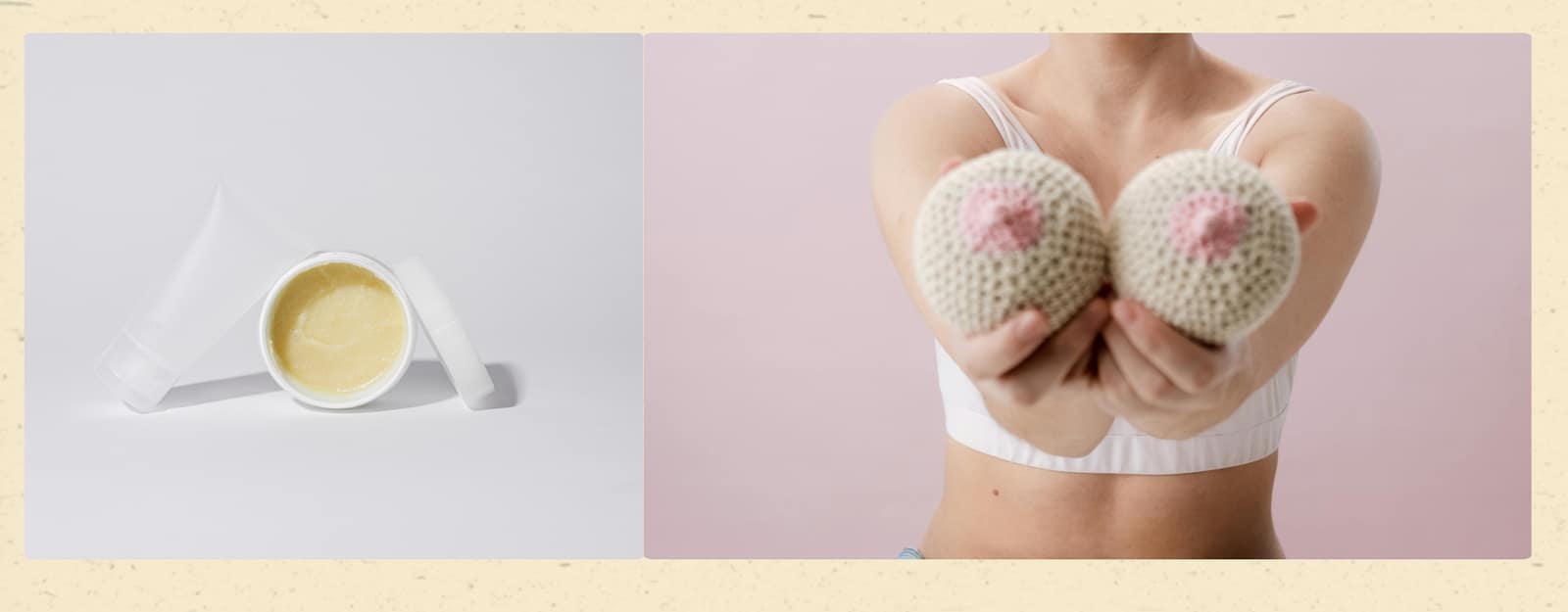
- Organic healing ointments: These are generally preferred because all ingredients are safe if ingested by a baby—so there is no need to wipe them off before nursing. Ingredients often include olive oil, shea butter, beeswax, calendula, marshmallow root, mango butter, and cocoa seed butter. These create a protective, breathable layer over the nipple while supporting healing.
- Medical-grade honey: Honey has natural antimicrobial and healing properties, and in medical-grade form it can help keep wounds moist, reduce bacterial growth, and promote tissue repair. Only sterile, medical-grade honey should be used as it is irradiated to eliminate any possible botulism spores (never use raw honey).
- Antibacterial/antifungal/steroid ointments: These may be helpful in very specific situations (such as bacterial infections, fungal infections, dermatitis or milk blebs) but should not be used broadly. They should only be prescribed after a medical professional has assessed the nipple and determined that targeted treatment is needed.
Takeaway: The key is moist wound healing—keeping the nipple tissue from drying and cracking. This approach has been shown to heal nipples about 50% faster than air drying.
2. Hydrogel Pads
These cool, soothing pads are placed directly on sore nipples.
- Parents often report immediate comfort.
- Hydrogels maintain a moist healing environment, which can promote faster tissue repair.
- Studies vary, but they consistently support moist wound healing over dry methods like air exposure.
Takeaway: Pro: Safe for short-term relief, especially when pain is severe. Con: They can be costly and don’t address the root cause of nipple trauma.
3. Silver Nursing Cups (“Silverettes”)
These small silver caps fit over the nipple, marketed as having natural antibacterial and healing properties.
- Research is limited—most studies are small and manufacturer-funded.
- No strong evidence shows that silver cups are more effective than other moist wound healing strategies.
- Some parents like the soothing feel and protection under clothing.
- Caution: Because silver cups collect leaking breast milk against the skin, overuse can create an overly wet environment. Since breast milk is mostly water, this can lead to maceration (softening and breakdown) of the nipple skin. This is different from the controlled “moist” environment created by ointments, which protect the wound without excessive water exposure.
Takeaway: A personal preference item. Can feel soothing and protective, but best used in moderation and alternated with other moist healing methods to avoid skin maceration.
4. Breast Shells and Nipple Shields
- Breast shells (plastic domes worn inside the bra to keep clothing off sore nipples) can reduce friction and pain, but prolonged use may cause pressure leading to swelling of the nipple/areola or excess moisture.
- Nipple shields (silicone devices used during feeds) are different—they may help with latch pain, but should only be used under guidance, as they can sometimes affect milk transfer and production if not fitted or used properly.
Takeaway: Useful in select cases but not a routine solution.
How to Use Ointments or Healing Products
- Wash hands before applying any product.
- Express a few drops of breast milk onto the nipple first, if desired—it has antimicrobial and healing properties.
- Apply a very thin layer of organic ointment directly to the affected area. More is not better—just enough to lightly coat the skin.
- Cover with a hydrogel pad, or for a cheaper option, use a small piece of parchment paper if extra protection or moisture retention is needed.
- No need to wipe off before feeding. If the product is food-grade and safe for babies, it can remain in place during nursing. If there are large clumps, they may be removed prior to feeding.
- Reapply as needed, usually after feeds or pumping sessions.
Myth vs. Fact: Nipple Healing
Myth: The best way to heal nipple cracks is to leave them open to air.
Fact: Evidence shows moist wound healing helps nipples heal about 50% faster than air drying.
Myth: Lanolin is safe and works for everyone.
Fact: Lanolin is an allergen and can worsen irritation for some. Organic, food-grade ointments are safer because they don’t need to be removed before feeding.
Myth: You should wipe ointments off before nursing.
Fact: If you use food-grade products, wiping isn’t necessary and may actually irritate damaged skin further.
Myth: Painful nipples are just part of breastfeeding.
Fact: Persistent pain or wounds are not normal and usually signal a latch issue or pumping problem that can be corrected.
Evidence-Based Tips for Nipple Healing
- Check latch and positioning first. Even small adjustments can make a big difference.
- Evaluate pumping technique and supplies. A flange fitting session or pump settings check with a lactation provider can prevent repeat injury.
- Use moist wound healing, not air drying. Evidence shows moist care heals nipple wounds about 50% faster.
- Keep ingredients baby-safe. Avoid products that must be removed before feeding.
- Reserve medicated ointments for when they’re needed. Antibacterial or antifungal ointments should only be used under medical guidance after an assessment.
- Seek professional help early. If nipples are cracked, bleeding, or pain is persistent, a lactation medicine provider can help prevent things from worsening.